In 2021 the Tennessee Department of Health, Traumatic Brain Injury Program was awarded a three-year Traumatic Brain Injury State Partnership Program grant from the Administration on Community Living to create and strengthen a system of services and supports that maximizes the independence, well-being and health of people with TBI across the lifespan. This link provides additional information on the Administration For Community Living, Traumatic Brain Injury State Partnership Program (TBI SPP).
We provide:
- Evidence-based TBI trainings customized to your discipline
- Four individual TBI Toolkits specifically designed for Survivors, Families and Caregivers; Healthcare Providers; School Nurses and Service Professionals. Covers areas for screening, symptom tracking, reference, parent education and communication with schools
- Assistance with goal writing and treatment plan development support for rehabilitation, direct service support and related services
- Educational resources including parent-friendly educational materials
- Resources for return to home, school or work settings
Trainings are provided at no cost and are tailored to your schedule and continuing education unit needs. For more information contact Brain Links at: 615-585-2998 or tbi@tndisability.org
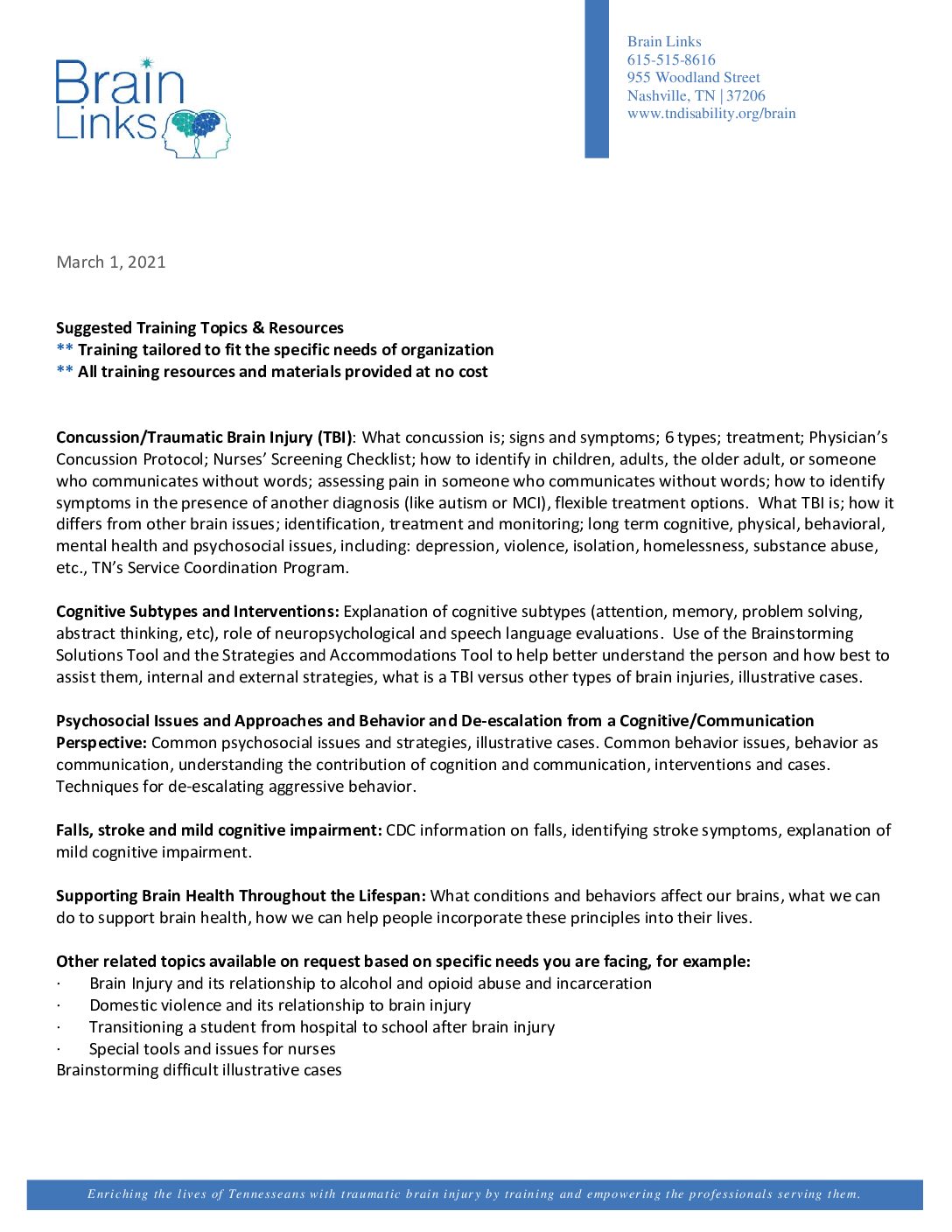
Below is a list of Suggested Training Topics & Resources:
- Training tailored to fit the specific needs of organization
- All training resources and materials provided at no cost
Concussion/Traumatic Brain Injury (TBI): What concussion is; signs and symptoms; 6 types; treatment; Physician’s Concussion Protocol; Nurses’ Screening Checklist; how to identify in children, adults, the older adult, or someone who communicates without words; assessing pain in someone who communicates without words; how to identify symptoms in the presence of another diagnosis (like autism or MCI), flexible treatment options. What TBI is; how it differs from other brain issues; identification, treatment and monitoring; long term cognitive, physical, behavioral, mental health and psychosocial issues, including: depression, violence, isolation, homelessness, substance abuse, etc., TN’s Service Coordination Program.
Cognitive Subtypes and Interventions: Explanation of cognitive subtypes (attention, memory, problem solving, abstract thinking, etc), role of neuropsychological and speech language evaluations. Use of the Brainstorming Solutions Tool and the Strategies and Accommodations Tool to help better understand the person and how best to assist them, internal and external strategies, what is a TBI versus other types of brain injuries, illustrative cases.
Psychosocial Issues and Approaches and Behavior and De-escalation from a Cognitive/Communication Perspective: Common psychosocial issues and strategies, illustrative cases. Common behavior issues, behavior as communication, understanding the contribution of cognition and communication, interventions and cases. Techniques for de-escalating aggressive behavior.
Falls, Stroke and Mild Cognitive impairment: CDC information on falls, identifying stroke symptoms, explanation of mild cognitive impairment.
Supporting Brain Health Throughout the Lifespan: What conditions and behaviors affect our brains, what we can do to support brain health, how we can help people incorporate these principles into their lives.
Other related topics available on request based on specific needs you are facing, for example:
- Brain Injury and its relationship to alcohol and opioid abuse and incarceration
- Domestic violence and its relationship to brain injury
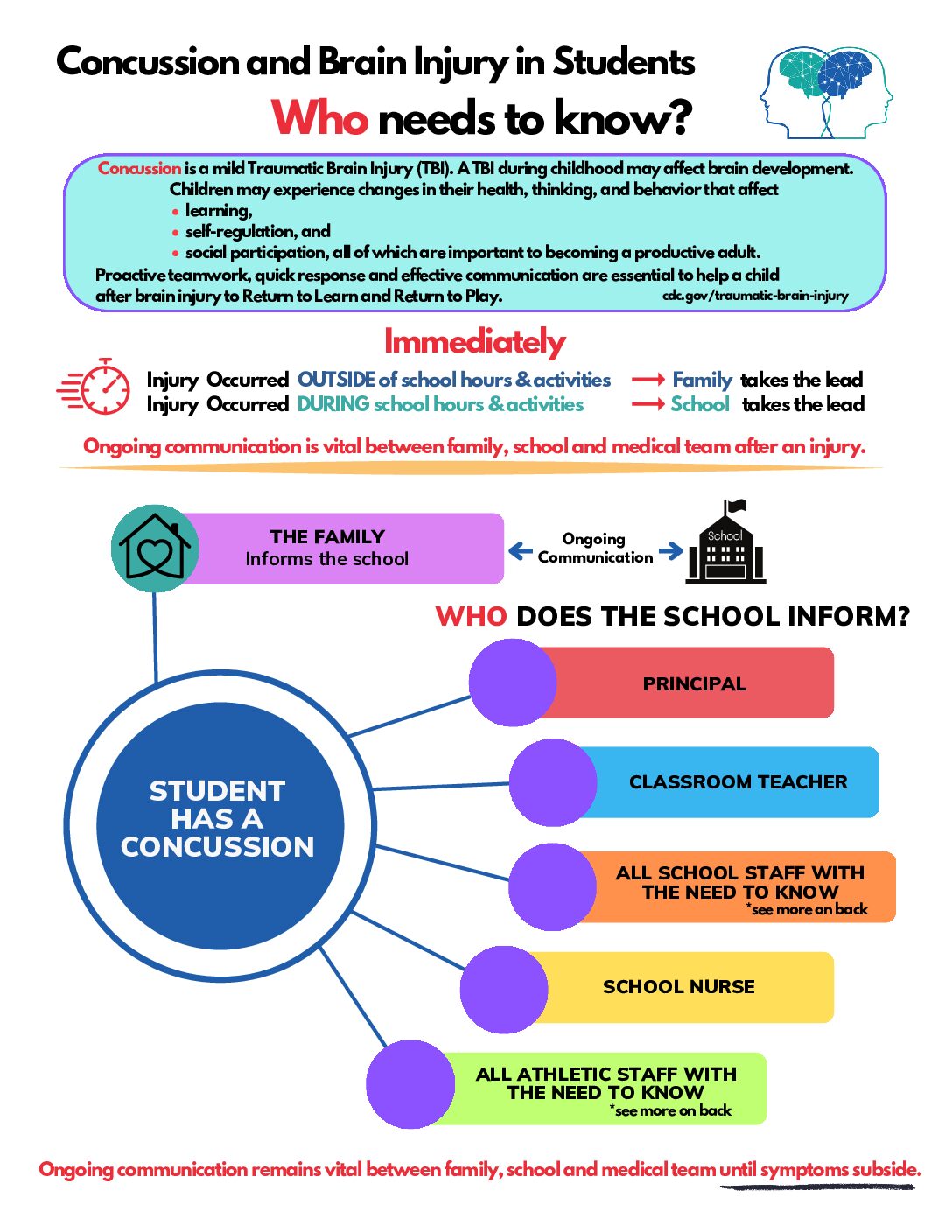
- Transitioning a student from hospital to school after brain injury
- Special tools and issues for nurses
- Brainstorming difficult illustrative cases
Tennessee Traumatic Brain Injury (TBI) Program: Call 1-800-882-0611
Tennessee TBI Service Coordination Program: There are currently seven Service Coordinators located in various non-profit agencies across the state and cover all 95 Counties. The Service Coordinator’s role is to work with persons with brain injury and their family to access current needs. View this list to connect with the Coordinator in your area.
Statewide Virtual Support Group Information:
Rick Hall: (931) 372-8900 or email rickh@disabilityrightstn.org
To learn more about service coordination or support groups reach out to your local Service Coordinator or call toll free 1-800-882-0611
Sign up for the TN Brain Injury Listserv and keep in touch with activities across TN.





 Document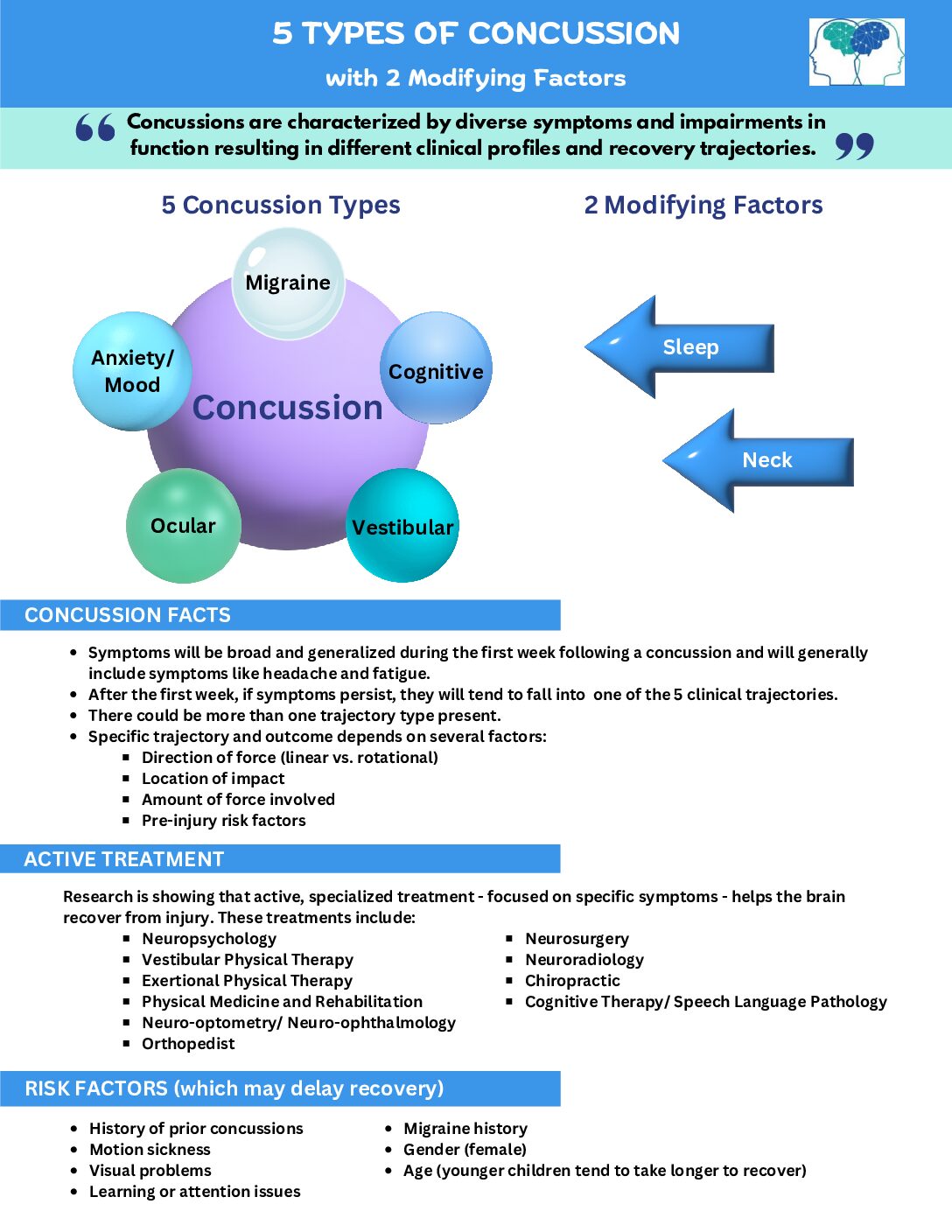
 Infographic
  Link
Link